



10% off
Grab the code and apply at check out for 10% off
10OFF

EXCELLENT
4.9
290+ reviews on Klaviyo Reviews
Grab the code and apply at check out for 10% off
UNDERSTAND YOUR SLEEP
Sleep is closely connected to physical health, mental wellbeing, hormones, metabolism, recovery and immune function. Explore Myza guides on the many ways health can shape sleep — and sleep can shape how you feel.

Sleep supports recovery across the body and mind. It is involved in hormone regulation, immune function, memory, mood, appetite, muscle repair and the way you respond to stress.
Health changes can also alter sleep. Hormonal transitions, pain, breathing problems, allergies and mental-health symptoms may all affect how easily you fall asleep, how often you wake and how restored you feel the next day.
Explore sleep and wellbeing →Some of the areas Myza's Sleep Journal explores include:
Start with Myza's key guides on mental wellbeing, hormones, metabolism, breathing and physical health.

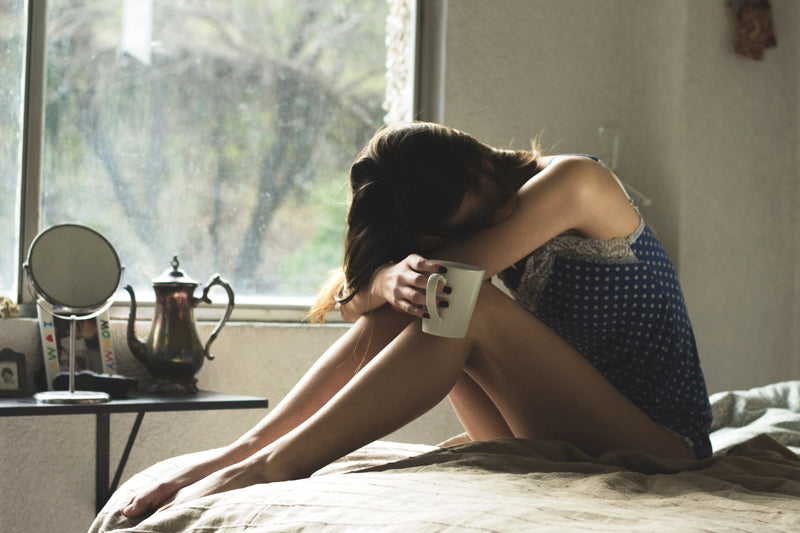
Explore the two-way relationship between sleep, mood, anxiety and emotional balance.
→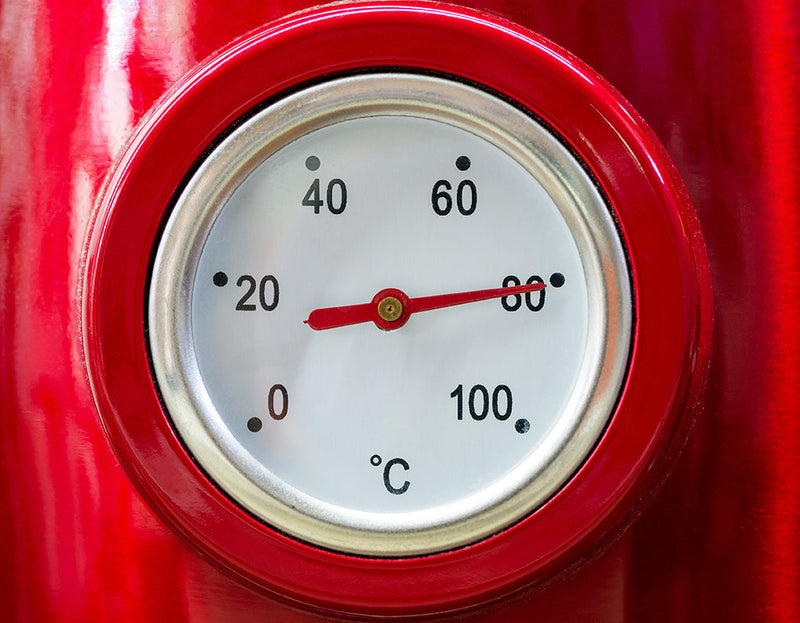
Understand hot flushes, hormonal shifts and the sleep changes that can accompany menopause.
→
Practical guidance on pregnancy sleep, comfort, position and common night-time disruption.
→
Explore how sleep can influence appetite, hormones, energy use and weight-management efforts.
→
Learn about the relationship between the gut, brain, hormones, mood and sleep.
→
Understand why repeated breathing interruptions matter and why symptoms should be medically assessed.
→Explore the wider Myza Sleep Journal across hormones, mental health, recovery, pain, skin, allergies and immune health.
Continue learning across Myza's sleep hubs.

Sleep supports recovery, hormone regulation, immune function, metabolism and muscle repair. Persistent poor sleep can also make existing health problems feel harder to manage.
Yes. Stress, anxiety and low mood can make it harder to fall asleep or stay asleep, while poor sleep can also make emotional regulation and daytime coping more difficult.
Hormonal changes can influence body temperature, mood, alertness and sleep timing. Pregnancy, the menstrual cycle and menopause can therefore change both sleep quality and comfort.
Yes. Pain, arthritis, breathing problems, allergies, reflux and other health issues can interrupt sleep or make certain positions uncomfortable. Ongoing symptoms are worth discussing with a healthcare professional.
Seek advice if poor sleep lasts for several weeks, affects daily life, or comes with symptoms such as loud snoring, gasping, severe daytime sleepiness, ongoing pain, night sweats, persistent low mood or other health concerns.