



10% off
Grab the code and apply at check out for 10% off
10OFF

EXCELLENT
4.9
320+ reviews on Klaviyo Reviews
Grab the code and apply at check out for 10% off
UNDERSTAND YOUR SLEEP
Better sleep is often shaped by the small things we repeat every day. Explore sleep hygiene, evening routines, screens, morning light, movement, sleep tracking and practical habits that can make rest feel more consistent.

Sleep hygiene is the collection of routines, environments and daily choices that support regular, restorative rest. It is not about making bedtime perfect. It is about creating repeatable cues that make it easier for your body and mind to recognise when the day is beginning and when it is ending.
Consistency matters more than doing everything at once. Start with the habits that fit your life, pay attention to how you feel, and adjust gradually.
Read our sleep hygiene guide →Use these as a flexible starting point rather than a strict checklist.
Explore Myza's Sleep Journal guides on routines, consistency, tracking and everyday choices.

Understand the habits, routines and environment that support more consistent sleep.
→
A simple evening structure for creating more space between food, work, screens and sleep.
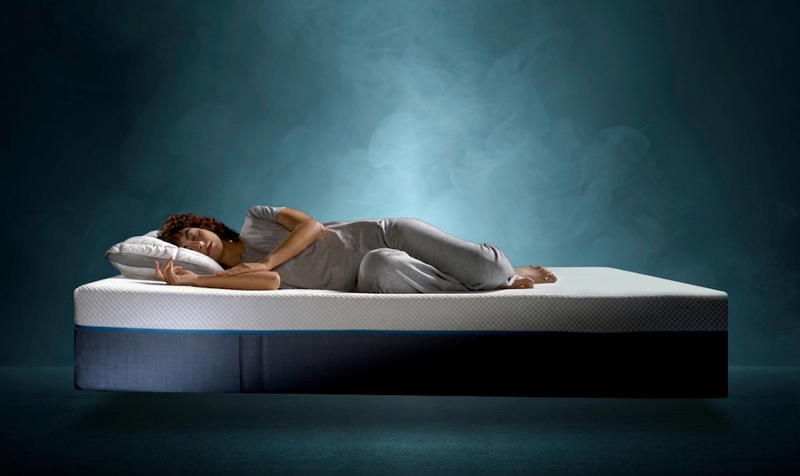
→
Create a gentler transition out of a busy day with calm, repeatable cues.
→
Explore how evening light and mental stimulation can make switching off more difficult.
→
Spot patterns in bedtime, waking, caffeine, screens, stress and the habits surrounding your sleep.
→
Use simple observations, a diary or technology to understand what helps and disrupts your sleep.
→
Use consistent timing, morning light and a calmer evening to make mornings feel easier.
→
Build a steadier wake-up routine around light, timing and consistent sleep habits.
→
See how regular movement can support sleep quality and help the body feel ready for rest.
→
Explore the connection between physical activity, daytime alertness and better-quality rest.
→
Understand why an evening drink can make you feel sleepy while still disrupting sleep later in the night.
→
Try gentle audio as part of a low-stimulation routine when you want to wind down without a bright screen.
→Better sleep habits are most useful when they are practical enough to repeat.
Go deeper into the parts of your routine that may need more attention.

Helpful habits often include broadly consistent sleep and wake times, a calm wind-down, less stimulation before bed, regular daytime movement and a bedroom that feels comfortable for sleep.
Perfect consistency is not necessary, but a broadly regular rhythm can give your body clearer cues about when to feel awake and when to prepare for sleep.
Some changes may feel helpful within a few nights, while others become clearer after one or two weeks of repetition. A sleep diary can help you spot patterns without relying on a single night.
A screen-free gap can reduce bright light and mental stimulation. If avoiding screens entirely is unrealistic, lowering brightness, using night settings and choosing calmer content can be a practical compromise.
Yes. Morning light, exercise, caffeine timing, alcohol, stress and daytime routines can all influence how ready you feel for sleep later.