



10% off
Grab the code and apply at check out for 10% off
10OFF

EXCELLENT
4.9
290+ reviews on Klaviyo Reviews
Grab the code and apply at check out for 10% off
IMPROVE YOUR SLEEP
Sleep technology can be useful when it solves a real problem rather than adding another task to bedtime. Explore trackers, light therapy, blue-light tools, circadian wearables, smart sleep devices and temperature-regulating innovations designed to support a calmer, more consistent routine.

Sleep aids work best when they solve a specific problem: too much light, noisy surroundings, a drifting body clock, trouble winding down or a desire to understand your sleep patterns more clearly.
Start with the simplest tool that fits the issue. Track lightly, notice patterns and avoid letting scores or devices become another source of pressure at bedtime.
Read our sleep tracking guide →A useful sleep aid should make your routine easier, not more complicated:
Explore Myza's Sleep Journal reviews and guides on sleep tracking, light, devices and sleep-supportive products.
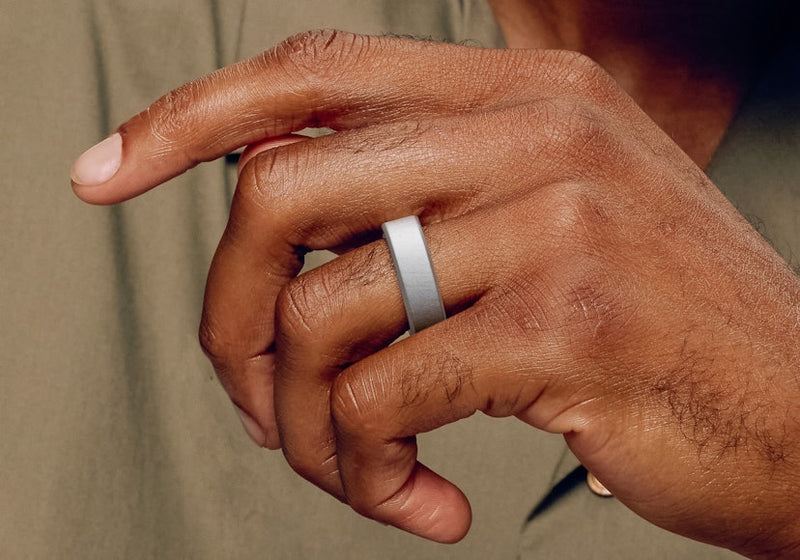
Learn what trackers can measure, what they can miss and how to use sleep data without overcomplicating your routine.
→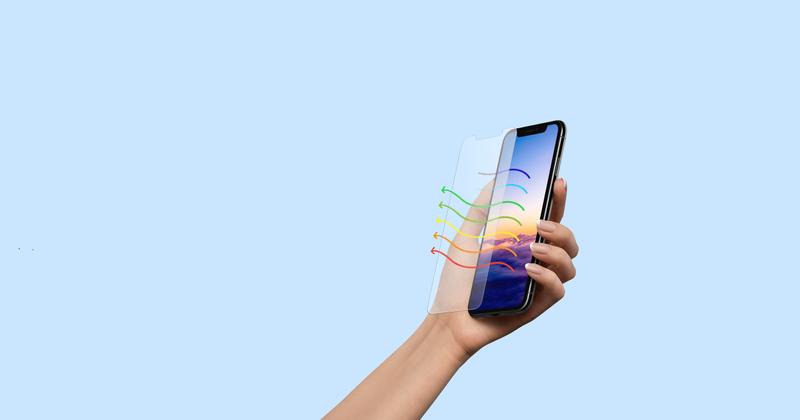
A practical look at reducing evening screen glare and blue-light exposure without giving up your devices completely.
→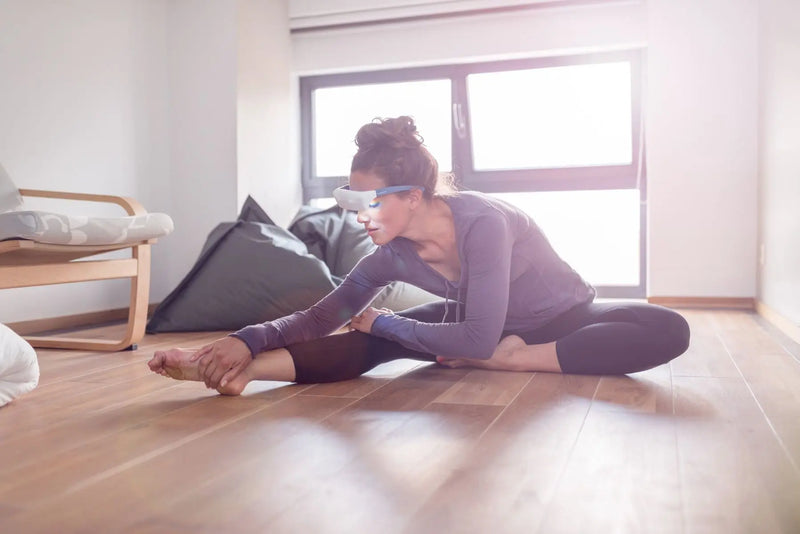
Explore wearable light therapy and how timed light exposure can be used to support the sleep-wake rhythm.
→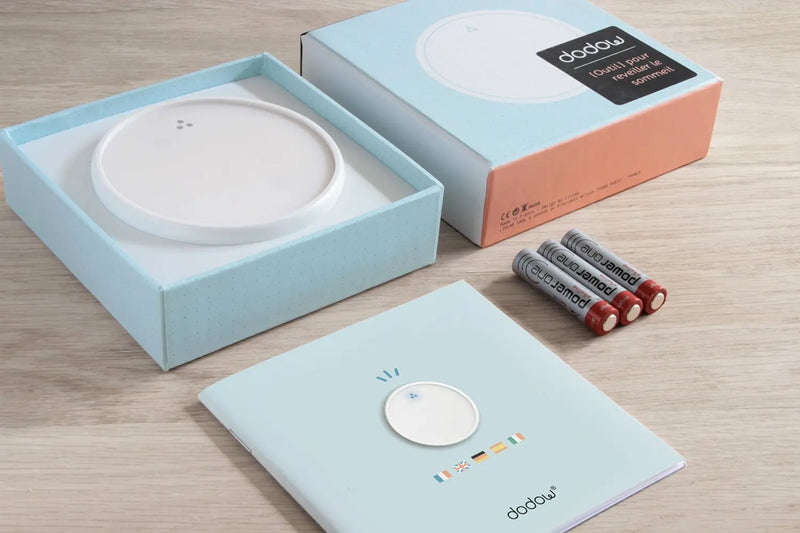
See how a compact bedside device pairs paced breathing with a visual rhythm to create a simple wind-down exercise.
→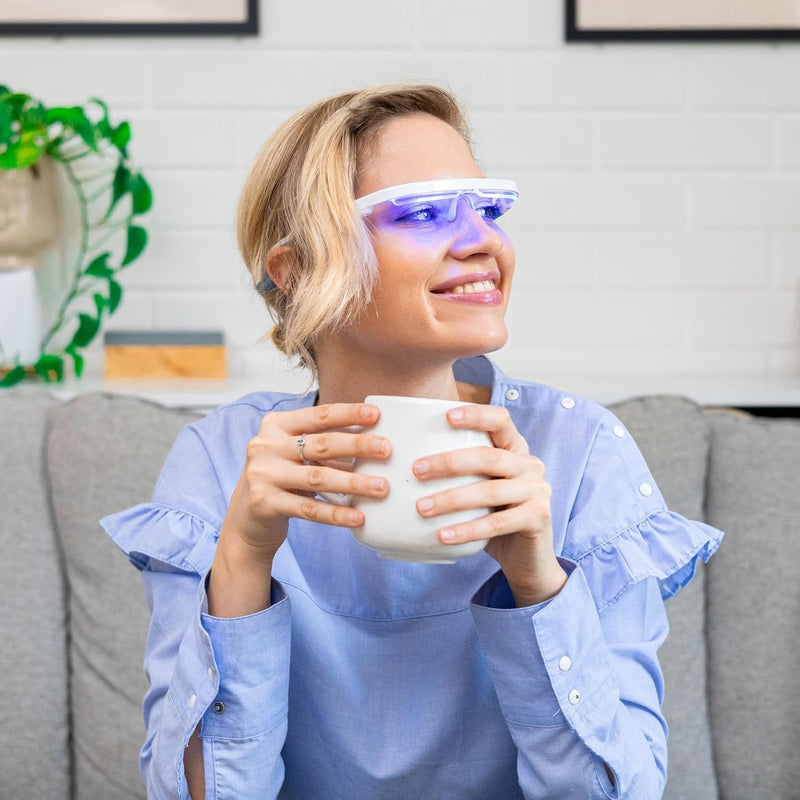
Explore how timed blue-light exposure can be used to support daytime energy and a more consistent sleep-wake rhythm.
→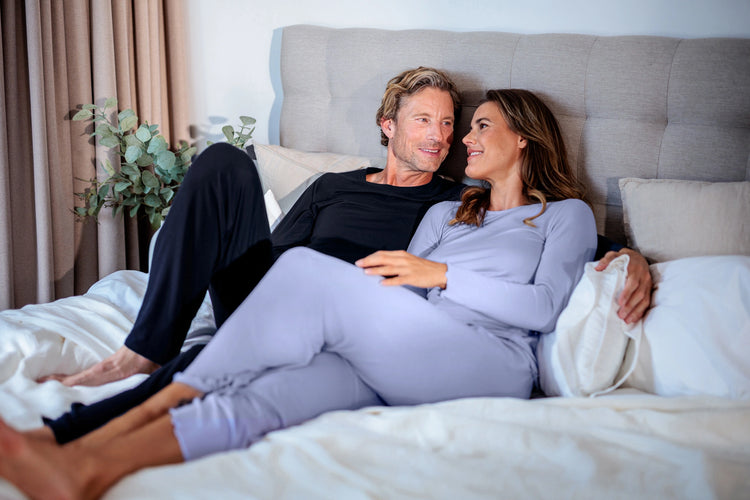
See how temperature-regulating textile technology is designed around overnight comfort, moisture management and sleep physiology.
→Go deeper into circadian light, smart sleepwear, tracking and the wider sleep-tech conversation.
Continue exploring the wider Improve Your Sleep guide.

Consumer trackers can be useful for spotting broad patterns, but they estimate sleep using signals such as movement and heart rate. Treat the data as a guide rather than a medical diagnosis.
Bright light and screen exposure late in the evening can make it harder for some people to wind down. Reducing brightness, changing screen habits or using filtering tools may help as part of a broader bedtime routine.
Timed light exposure can influence the body clock, but timing matters. Bright-light or wearable light devices are usually most useful when they are matched to a specific circadian goal rather than used randomly.
It can if scores, alerts or constant monitoring become stressful. Sleep technology is most useful when it helps you notice broad patterns without turning every night into a performance target.
Speak to a GP or qualified healthcare professional if sleep problems are persistent, severe, affect daytime functioning, or involve symptoms such as loud snoring, gasping, ongoing pain or unintended daytime sleep.